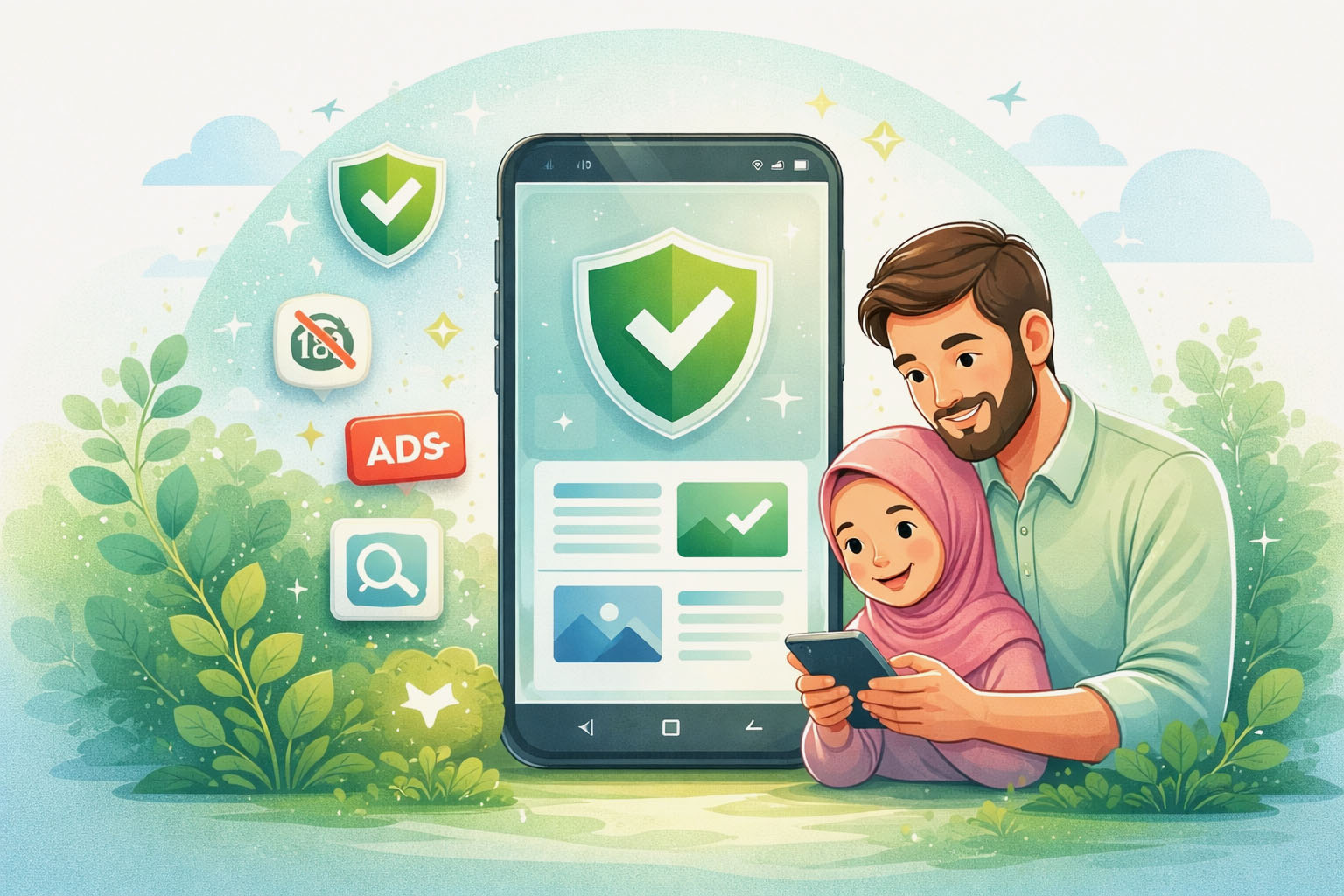
The internet has become an essential part of everyday life. Children use it for learning, entertainment, communication, and exploration. While the internet provides many benefits, it also exposes children to risks that parents often cannot fully control.
From inappropriate advertisements to unexpected content appearing on social media feeds, harmful material can appear even when a child is not actively searching for it. Because of this, protecting children online is no longer just about limiting screen time. It is about creating a safer and cleaner digital environment for them.
In this guide, we will explore practical ways parents can protect their children from harmful online content while helping them develop healthy digital habits.
Why Children Are Vulnerable Online
Children are naturally curious. They explore websites, videos, and apps without always understanding the risks involved.
At the same time, many online platforms are built around engagement algorithms. Their goal is to keep users scrolling, watching, and interacting for as long as possible.
This means a child who starts with harmless content may quickly be recommended something very different through autoplay videos, ads, or suggested posts.
Some common risks children face online include:
Exposure to inappropriate images or videos
Distracting short-form content loops like endless scrolling
Unsafe websites and pop-up advertisements
Online manipulation or misleading information
Without proper guidance or protection, children may encounter content that is not suitable for their age.
Start with Open Communication
Technology alone cannot solve every problem. One of the most effective ways to protect children online is through open communication.
Parents should talk with their children about the internet and explain that not everything online is safe or appropriate. Encourage children to ask questions and let them know they can talk to you if they ever see something uncomfortable.
When children feel safe discussing their online experiences, they are more likely to report problems instead of hiding them.
Set Clear Digital Boundaries
Children benefit from structure and clear rules when using digital devices.
Some simple boundaries parents can set include:
Limiting daily screen time
Keeping devices in shared family spaces
Avoiding unsupervised late-night internet use
Monitoring the apps and websites children access
These small steps can significantly reduce the chances of children wandering into harmful parts of the internet.
Use Safer Browsing Tools
Even with strong communication and rules, harmful content can still appear unexpectedly. This is where technology can help.
Safer browsing tools can help create a cleaner online environment by filtering harmful content and reducing distractions.
For example, a browser designed with safety in mind can help by:
Blocking intrusive advertisements
Reducing exposure to harmful or inappropriate websites
Minimizing distracting content that encourages endless scrolling
Tools like Muslim AI Browser aim to provide a safer browsing experience by helping reduce harmful content and unnecessary distractions while using the internet.
Instead of installing multiple apps, a safer browser can simplify online protection for families.
Teach Children Mindful Internet Use
Beyond technical tools, it is important to help children develop responsible digital habits.
Parents can encourage children to:
Use the internet for learning and creativity
Take regular breaks from screens
Think critically about what they watch and read
Understand that not everything online is trustworthy
Teaching children how to use the internet responsibly helps them build digital awareness that will benefit them throughout their lives.
Creating a Safer Digital Environment
Protecting children online is not a one-time task. It is an ongoing process that combines parental guidance, digital awareness, and safer technology.
Parents may not be able to control everything on the internet, but they can shape the environment in which their children use it.
By combining open communication, clear digital boundaries, and safer browsing tools, families can help children enjoy the positive side of the internet while minimizing exposure to harmful content.
The goal is not to remove the internet from children’s lives, but to help them use it in a way that supports learning, safety, and well-being.